
Mental Health Support for Multicultural Families: Why Culturally Responsive Care Matters

Mental health care works best when families feel truly seen and understood—not judged or misunderstood. Culturally responsive care doesn’t just “acknowledge” culture. It respects values, communication styles, family expectations, and lived experience. Why Culturally Responsive Care Matters It helps by: What This Looks Like in Therapy
Group Therapy for Teens: Why It Helps More Than You Think

Many teens feel like they’re the only one struggling. Group therapy changes that. It gives teens a space to connect with others, practice skills, and feel less alone—without pressure. Benefits of Teen Group Therapy Who Group Therapy Helps Group therapy can help teens dealing with:
Therapy for Life Transitions: Moving, Divorce, Breakups, and Big Change

Change is stressful—even when it’s positive. For kids and teens, major transitions can trigger anxiety, depression, behavior changes, or emotional withdrawal. Therapy helps families move through change without feeling like everything is falling apart. Common Transitions That Impact Mental Health How Therapy Helps With Adjustment Therapy supports:
How to Find the Right Therapist for Your Teen (Even If They Don’t Want Therapy)

The “right therapist” isn’t just someone with credentials—it’s someone your teen can actually connect with. And if your teen doesn’t want therapy? That’s common. You can still start the process and build buy-in. What to Look For in a Teen Therapist Questions to Ask Helping Teens Who Resist Therapy Try:
Why Teens Shut Down: Emotional Avoidance and How to Break Through

When teens stop talking, many parents assume they don’t care. But emotional shutdown is often a defense mechanism—especially for teens who feel overwhelmed or afraid of being judged. Why Teens Shut Down Common reasons include: How to Break Through Instead of forcing conversation, try: How Therapy Helps Therapy gives teens a safe space to:
How Therapy Helps With School Refusal (When Kids Won’t Go to School)

School refusal can feel like a power struggle—but most of the time it’s fear. When a child or teen refuses school, it often means their nervous system is overwhelmed. Therapy helps identify what’s driving the refusal and builds a realistic plan to return. Common Causes of School Refusal What NOT to Do Threats and punishment […]
Anger in Teens: What’s Really Going On Under the Surface

Teen anger can feel personal—but it usually isn’t. Anger is often a protective emotion that shows up when a teen feels unsafe, overwhelmed, ashamed, or powerless. Instead of only addressing the anger, it helps to look underneath it. What Teen Anger Often Covers Up How Therapy Helps With Anger Therapy helps teens learn to:
Psychoeducation: Why Learning About Mental Health Changes Everything

One of the most powerful parts of therapy is understanding what’s happening. When teens and families learn the “why” behind symptoms, shame decreases and progress becomes more realistic. That’s psychoeducation: learning about mental health in a way that makes life easier. What Psychoeducation Covers It can include: Why It Improves Therapy Outcomes Psychoeducation helps:
Parent Coaching: How to Stay Calm When Your Child Is Not

When your teen is dysregulated, it’s easy to become dysregulated too. That doesn’t make you a bad parent—it makes you human. Parent coaching helps caregivers learn how to respond in a way that creates calm, structure, and long-term change. What Parent Coaching Helps With Practical Tools Parent Coaching Builds
ADHD in Kids and Teens: Symptoms, Misconceptions, and Support Options
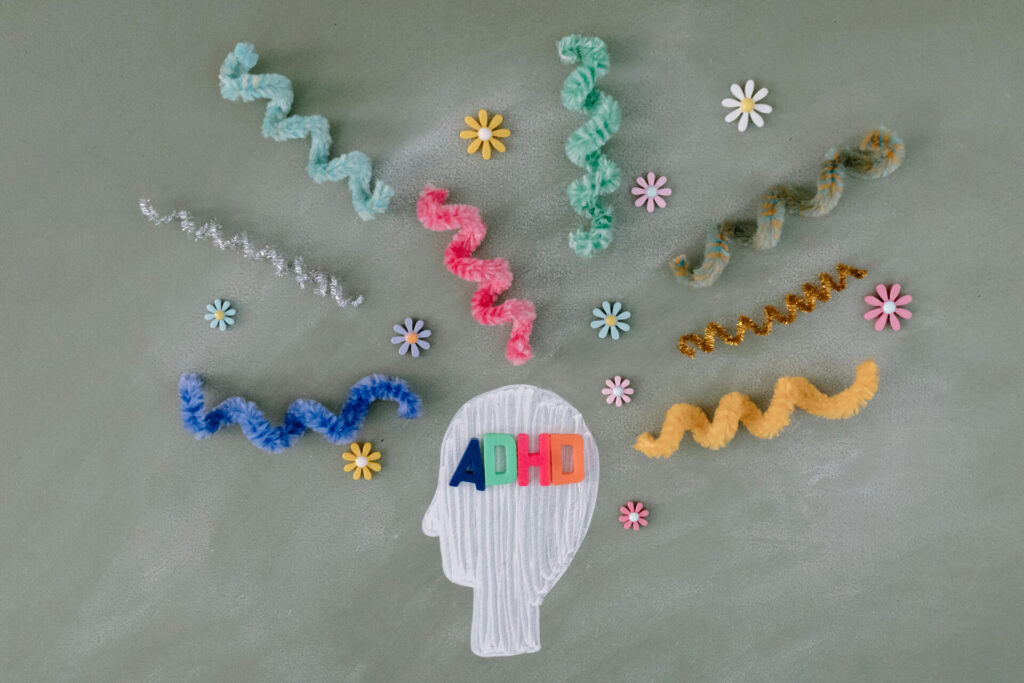
ADHD is not “laziness.” It’s not “bad behavior.” And it’s not something kids can just willpower their way through. ADHD affects attention, impulse control, emotional regulation, and executive functioning—which impacts school, relationships, and self-esteem. Common ADHD Symptoms in Teens ADHD may look like: Misconceptions That Harm Teens Many teens internalize ADHD and think: That’s why […]